

Understanding how social media algorithms work is no longer optional, it’s essential. Every post you publish, every ad you run, and every interaction your audience has online is filtered through complex, constantly evolving algorithms that decide who sees your content and when. For business leaders and marketers, cracking the code behind these algorithms can be the difference between social media campaigns that drive measurable growth and those that get lost in the noise.
Read >
In today’s fast-paced digital landscape, companies are constantly seeking ways to streamline customer interactions while maintaining high-quality support. One solution that has seen exponential growth in recent years is AI chatbots for customer service. From reducing response times to handling routine inquiries, AI chatbots promise efficiency and scalability. However, while the technology is powerful, it’s not without its limitations. Business leaders need a clear understanding of what works, what doesn’t, and how to strategically integrate AI customer support tools into their overall service strategy.
Read >
Websites today have to do more than look good. They need to work hard for the business behind them. Visitors expect fast load times, clear navigation, and content that feels relevant to their needs. When those expectations are not met, people leave. That is where AI web design is making a real difference.
Read >
Social media plays a major role in how businesses connect with customers, build trust, and generate leads. But as platforms grow more competitive, it has become harder to keep up. Audiences expect timely responses, relevant content, and consistent engagement across multiple channels. In 2025, AI social media tools are helping businesses meet these expectations while saving time and improving results, a shift that closely follows broader2026 social media trends.
Read >.jpg)
Artificial intelligence is changing how businesses create visuals for their marketing. One of the most popular tools today is AI image generation, which lets marketers produce images quickly and at a low cost. For businesses in the consideration stage, those comparing different marketing solutions, AI can look like a simple fix for creating more content in less time. But like any tool, it comes with strengths and limits.
Read >
These days, Ecommerce web design can make or break your business. Even if you have amazing products and strong branding, your website’s design is what keeps visitors exploring, or sends them clicking away.
Read >.jpg)
Want to get better results from ChatGPT, Claude, or other AI tools? Prompt engineering is your secret weapon. It's basically learning how to "talk" to AI in a way that gets you exactly what you need. If you’re already exploringAI in digital marketing, prompt engineering takes things to the next level.
Read >
In digital marketing, one-size-fits-all messages no longer work. Today’s customers expect brands to know their preferences and deliver experiences that feel tailored just for them. That’s where AI personalization comes in.
Read >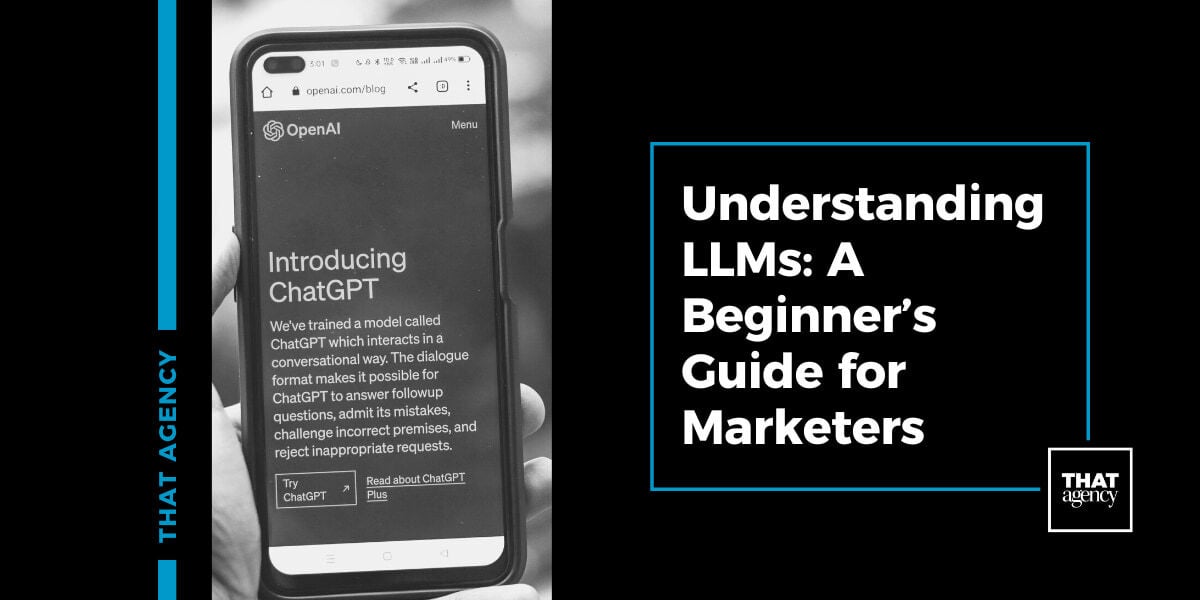
The marketing world is changing fast, and one of the biggest changes we’re seeing right now is the rise of large language models (LLMs). These tools are powered by artificial intelligence (AI), and they’re starting to play a big role in how businesses create content, connect with customers, and get work done more efficiently.
Read >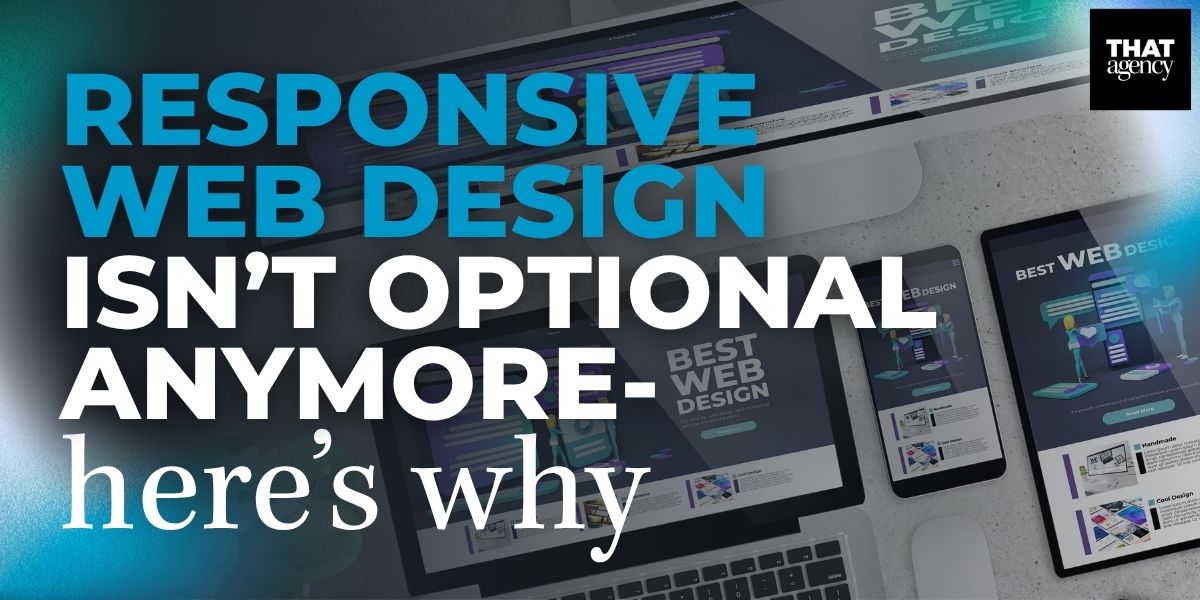
Responsive web design used to be something extra, now, it’s a must-have. Today, more people use their phones and tablets to browse the web than ever before. In fact, over 60% of internet traffic comes from mobile devices. If your website doesn’t look good or work well on a smaller screen, you're losing visitors, and potential customers.
Read >
2000 Palm Beach Lakes Blvd
Suite 601
West Palm Beach, FL 33409
P: 561.832.6262
F: 561.832.7707


