If you’re responsible for growing a business, you’ve probably heard the term organic traffic. But what is organic traffic, and why does it matter so much?
In simple terms, organic traffic is the number of people who visit your website after finding it through unpaid search results on Google or other search engines. These are not ads, you didn’t pay for these clicks. Instead, your website showed up because it was relevant to what someone was searching for.
Understanding what organic traffic is is important because it plays a major role in long-term growth. It helps businesses attract the right audience, build trust, and generate leads without relying only on paid ads.
In this guide, we’ll explain how organic traffic works, why it matters, how to improve it, and how it connects to another key metric: Engagement rate.
What Is Organic Traffic?
Let’s break it down clearly.
Organic traffic is the number of visitors who come to your website by clicking on unpaid search engine results.
For example, if someone searches “best marketing agency near me” and clicks your website without you running an ad, that visit is organic traffic.
Why Organic Traffic Matters
Knowing what organic traffic is helps you understand how people are finding your business online. It’s one of the most valuable types of traffic because:
- It builds over time: Unlike ads, it doesn’t stop when your budget runs out
- It attracts people with intent: Users are actively searching for answers or services
- It builds trust: People trust organic results more than ads
- It supports long-term growth: Strong rankings can bring in traffic for months or years
For business owners and leaders, organic traffic is a key part of building a reliable marketing system.
How Organic Traffic Works
To fully understand what organic traffic is, you need to know how search engines work.
Search engines like Google look at many factors to decide which websites show up first, including:
- How relevant your content is to the search
- How helpful and detailed your content is
- How fast and user-friendly your website is
- How people interact with your site
If your website checks these boxes, it has a better chance of ranking higher in search results and getting more organic traffic.
The Role of Keywords
Keywords are the words and phrases people type into search engines.
For example, someone searching “what is organic traffic” is looking for a clear explanation. If your content answers that question well, it has a better chance of showing up in search results.
But today, it’s not just about using keywords. Search engines also look at:
Types of Organic Traffic
Not all organic traffic is the same. Here are the main types:
1. Informational Traffic
People looking for answers or learning something new (like this guide).
2. Navigational Traffic
People searching for a specific brand or company.
3. Transactional Traffic
People ready to take action, like buying or contacting a business.
4. Local Traffic
People searching for services in a specific area (like “plumber near me”).
A strong strategy includes all of these, but focuses on the ones that lead to real business results.
What Is Engagement Rate and Why It Matters
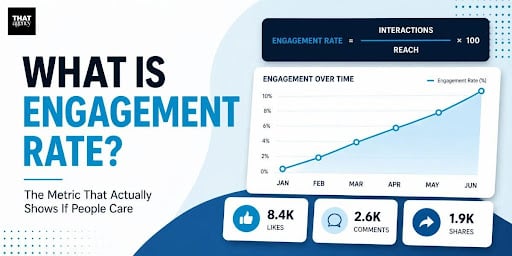
What Is Engagement Rate?
Engagement rate measures how users interact with your website.
It helps you understand if visitors find your content useful. Some common signals include:
- How long someone stays on a page
- How many pages they visit
- Whether they click on links or buttons
- If they take action, like filling out a form
Why Engagement Rate Matters for Organic Traffic
Understanding engagement rate is important because it shows how effective your website really is.
If users quickly leave your site, it may mean your content isn’t helpful or doesn’t match what they expected. But if they stay, read, and click around, that’s a strong sign your content is working.
Search engines pay attention to this. Higher engagement can help improve your rankings, which leads to more organic traffic over time.
How Organic Traffic and Engagement Rate Work Together
Many businesses focus only on getting more traffic but that’s not enough.
Here’s the difference:
- High traffic + low engagement = poor results
- Lower traffic + high engagement = better results
When you understand both what is organic traffic and what is engagement rate, you can:
- Attract the right visitors
- Keep them interested
- Turn them into leads or customers
That’s where real growth happens.
Key Metrics to Track
To improve your results, you need to track the right data.
1. Keyword Rankings
Where your website appears in search results.
2. Click-Through Rate (CTR)
How many people click your link after seeing it.
3. Bounce Rate
How many people leave after visiting just one page.
4. Engagement Rate
How users interact with your content.
5. Conversion Rate
How many visitors take action (like contacting you).
Looking at these together gives you a full picture of your performance.
How to Increase Organic Traffic
If you want to grow what is organic traffic for your business, here are the key steps:
1. Create Helpful Content
Focus on answering real questions your audience is asking. The more useful your content is, the better it will perform.
2. Use Clear SEO Basics
Make sure your pages include:
- Strong titles and headings
- Clear structure
- Internal links to other pages
- Fast loading speed
3. Focus on Quality Over Quantity
It’s better to have fewer high-quality pages than many weak ones.
4. Improve Website Performance
Fix issues like:
- Slow loading times
- Broken links
- Poor mobile experience
5. Build Trust With Backlinks
When other websites link to yours, it shows search engines that your content is reliable.
6. Optimize for Local Search
If you serve a specific area, make sure your business shows up in local searches.
Common Misunderstandings About Organic Traffic (Expanded Guide)
Even after learning what is organic traffic, many business owners and marketing leaders still run into the same misconceptions. These misunderstandings can lead to poor decisions, wasted budget, and missed growth opportunities.
Let’s break down the most common myths and what you should understand instead.
“Organic Traffic Is Free”
At first glance, this sounds true. You don’t pay Google every time someone clicks your website from search results. But this idea can be misleading.
The Reality
Organic traffic is not free. It's earned.
While there is no cost per click, building and maintaining strong rankings requires consistent investment in time, strategy, and execution.
What Actually Goes Into Organic Traffic
To generate organic traffic, businesses typically invest in:
- Content creation
- Writing blog posts, service pages, and landing pages
- Creating helpful, in-depth resources that answer real questions
- Search engine optimization (SEO)
- Keyword research (like targeting what is organic traffic)
- On-page optimization (titles, headers, internal links)
- Technical improvements
- Fixing site speed issues
- Improving mobile experience
- Ensuring proper indexing
- Authority building
- Earning backlinks from other trusted websites
- Building credibility in your industry
- Ongoing updates
- Refreshing outdated content
- Adjusting to algorithm changes
Why This Misunderstanding Matters
If you believe organic traffic is free, you may:
- Underinvest in SEO
- Expect fast results without a strategy
- Miss long-term growth opportunities
The Smarter Way to Think About It
Organic traffic is better viewed as a long-term asset.
- Paid ads = renting attention
- Organic traffic = owning visibility
Over time, strong organic rankings can deliver leads at a much lower cost than paid channels but only if you invest in building them.
Common Question: How long does it take to see results?
- Most businesses begin seeing measurable results in 3 to 6 months
- Strong, competitive rankings often take 6 to 12+ months
- The timeline depends on your industry, competition, and consistency
“More Traffic Means More Sales”
This is one of the most common, and costly, assumptions.
It seems logical: more visitors should mean more customers. But in reality, that’s not always how it works.
The Reality
Not all traffic is valuable.
If the people visiting your website are not the right audience, they won’t convert into leads or customers.
Example
Let’s say your website gets 10,000 visitors per month, but:
- They are searching for general information
- They are outside your service area
- They are not ready to buy
You may see high traffic numbers but little to no revenue impact.
Now compare that to:
- 2,000 visitors per month
- Highly targeted searches
- Strong intent to take action
That second scenario often leads to more leads and better ROI.
What Actually Drives Sales
To turn organic traffic into revenue, you need:
- The right audience
- People searching for your services or solutions
- Clear messaging
- Content that matches what users expect
- Strong user experience
- Easy navigation
- Fast load times
- Mobile-friendly design
- Conversion paths
- Clear calls to action (CTAs)
- Forms, phone numbers, or booking options
Where Engagement Rate Fits In
This is where understanding what engagement rate is becomes critical.
If users:
- Stay on your site
- Read your content
- Click through pages
…it’s a strong sign they are interested.
If they leave quickly, your traffic may not be aligned with your content.
Common Question: How do I know if my traffic is high quality?
Look at these signals:
- High engagement rate
- Low bounce rate
- Longer time on page
- More conversions (calls, form fills, purchases)
These indicators show that your traffic is not just high but valuable.
“SEO Is One and Done”
Many businesses treat SEO like a checklist:
- Add keywords
- Update a few pages
- Launch a blog
…and then expect results to continue forever.
The Reality
SEO is an ongoing process, not a one-time task.
Search engines are constantly changing. Your competitors are also improving their strategies. What works today may not work in six months.
Why SEO Requires Ongoing Effort
Here’s what changes over time:
- Search algorithms evolve
- Google updates how it ranks content
- Competition increases
- More businesses invest in SEO
- User behavior shifts
- Search trends and expectations change
- Content becomes outdated
- Old information loses relevance
What Ongoing SEO Actually Looks Like
A strong SEO strategy includes continuous work, such as:
- Content updates
- Refreshing blogs and service pages
- Adding new insights and data
- Keyword expansion
- Targeting new opportunities
- Adjusting based on performance
- Technical improvements
- Fixing errors
- Improving speed and usability
- Performance tracking
- Monitoring rankings, traffic, and engagement
- Conversion optimization
- Improving how traffic turns into leads
Common Question: What happens if I stop doing SEO?
If you stop investing in SEO:
- Your rankings may slowly drop
- Competitors can outrank you
- Organic traffic may decline over time
SEO is not something you “finish.” It’s something you maintain and improve.
Key Takeaways for Business Leaders
To truly understand what is organic traffic, you need to move past these common myths and focus on what actually drives results.
Here’s the simplified truth:
- Organic traffic is earned, not free
- Traffic alone doesn’t drive revenue, quality and intent matter
- SEO is not a one-time project, it’s a long-term growth strategy
Real Example
Imagine a business that wants more leads.
Instead of only running ads, they invest in:
- Blog content
- SEO improvements
- Better website design
Over time, they start ranking for important searches. Their organic traffic grows, and because their content is helpful, their engagement rate improves too.
The result? More qualified leads without increasing ad spend.
Advanced Insights (Simple Version)
If you want to go beyond the basics of what is organic traffic, here are a few important ideas:
Content Groups Work Better
Creating multiple pages around one topic helps build authority.
Engagement Is More Important Than Ever
Search engines want to show content people actually use and trust.
Search Is Changing
AI tools and search features are evolving, so content needs to be clear and well-structured.
Conversions Matter
Traffic is only valuable if it leads to action.
How to Measure Success
To see if your strategy is working, track:
- Growth in organic traffic
- Better keyword rankings
- Higher engagement rate
- More leads and conversions
The goal is not just more visitors but better results.
Final Thoughts: What Is Organic Traffic?
At its core, organic traffic comes down to visibility and trust. It’s about showing up when your audience is searching and giving them exactly what they need.
When you combine strong organic traffic with a clear understanding of what engagement rate is, you create a system that drives real business growth. You attract the right people, keep them engaged, and guide them toward taking action.
If you want to turn your website into a reliable source of leads, now is the time to invest in a smart, long-term SEO strategy. To learn how a results-driven approach can support your growth, contact THAT Agency for more information and start building a marketing system that delivers measurable results.