

Choosing the right partner to support growth is a big decision. Many leadership teams find themselves comparing a marketing agency vs advertising agency and wondering which one actually fits their goals. At first glance, the difference can feel small. Both talk about traffic, campaigns, and results. But how they work, what they focus on, and what you get long term are very different.
This guide explains the real differences between a marketing agency vs advertising agency in clear terms. We will walk through what each does, where each fits best, and how to decide which model supports measurable growth, better leads, and stronger ROI.
Advertising is about promotion. Marketing is about systems.
An advertising agency focuses on getting your message in front of people through paid channels. A marketing agency looks at the full picture, how people find you, what they see, how they convert, and how that turns into revenue.
When comparing marketing agency vs advertising agency, the core question becomes simple: do you need attention right now, or do you need a growth engine that works month after month? This distinction becomes especially clear when leadership teams start asking questions tied to marketing effectiveness rather than surface level metrics.
Advertising agencies are built around campaigns. Their main job is to create ads and place them where your audience will see them.
Common advertising agency services include:
Advertising agencies can be very effective when a business needs fast visibility. Product launches, short term promotions, or brand awareness pushes often fit well here, especially when paired with well executed PPC strategies to maximize ROI.
Advertising alone does not fix broken marketing systems. Many businesses learn this after spending heavily on ads that bring traffic but not results.
Common issues include:
This is where the marketing agency vs advertising agency conversation becomes important. Ads can bring people in, but something else has to turn that interest into growth.
A marketing agency looks beyond promotion and focuses on building a repeatable system for growth. The goal is not just traffic, but leads, conversions, and long term performance. Think of it like this: advertising can bring people to your site, but marketing makes sure the right people show up, understand what you offer, and take action.
If you have ever felt like “we are getting traffic, but it is not turning into real business,” this is usually the gap a marketing agency helps close. Many of these gaps relate to issues discussed in inbound leads vs outbound leads and how buyers actually move through a decision process.
A campaign is a push. A marketing system is what keeps working after the push ends.
A marketing agency is typically responsible for connecting the dots across channels so everything supports the same goal. That objective is usually higher quality leads, improved customer acquisition, and clearer ROI over time.
Here is what that looks like in real life:
A marketing agency usually covers several areas at once. Some businesses hire agencies for all of these. Others start with a few and expand as they grow. Either way, the work typically falls into these core buckets.
Strategy is the “why” and the “what next.” It keeps marketing from becoming random.
A marketing agency helps you answer questions like:
This often includes frameworks like marketing strategy examples and guidance around strategic positioning.
Common strategy deliverables include:
A good strategy also helps leadership stay aligned. It makes it easier to evaluate performance without getting lost in details.
Your website is often your top salesperson. If it is unclear, slow, or hard to use, marketing results will always feel underwhelming.
A marketing agency typically improves website performance by focusing on:
Conversion improvements compound the value of every visit and directly impact revenue growth. Sometimes small changes produce big results:
SEO is about being found when people are actively searching for what you sell. That is why it often brings in high intent leads.
Marketing agency SEO work usually includes:
This work aligns closely with long term SEO lead generation and supports sustainable growth beyond paid traffic. When SEO improves, you often gain:
Most marketing agencies still run paid campaigns, but with a different mindset than a traditional advertising only approach.
Instead of “run ads and hope,” a marketing agency connects paid ads to the funnel:
Common paid channels include:
The key is alignment. Ads work best when the landing page, the offer, and the follow up process all match what the ad promised. This approach often includes advanced planning, attribution, and insights from competitive PPC analysis.
Content is not just blog posts. It is any information that helps a buyer choose you with confidence.
A marketing agency creates or guides content like:
For decision stage content, the goal is usually:
If your team hears the same objections on sales calls, content can address them before the call even happens. This aligns with structured approaches outlined in the B2B content marketing guide.
This is where a marketing agency can create a real advantage. If you cannot measure it, you cannot improve it.
Marketing agencies typically handle:
A strong reporting setup answers questions like:
This is where modern teams rely on insights from marketing analytics rather than surface level metrics. If reporting is vague, it becomes hard to trust the strategy.
Marketing is not one and done. Markets shift, competitors change, and performance fluctuates. A marketing agency keeps improving what is already working and fixes what is not.
Ongoing optimization usually includes:
The goal is steady improvement, not constant reinvention.
When everything is working together, you get a system that produces results more consistently.
A repeatable system usually includes:
That is the real reason many leadership teams choose a marketing agency model. It supports growth without relying on one channel or one campaign.
Instead of asking “how many clicks did we get,” a marketing agency asks:
This is the accountability difference. It is also why marketing agencies tend to be a better fit for decision makers who want clarity and measurable progress.
A strong marketing agency typically includes strategy, website support, SEO, paid media, content, and reporting. If any of these are missing, results can suffer because one part of the system is not supported.
Yes, many do. This is often helpful because SEO and paid ads can support each other. Paid campaigns can fill short term gaps while SEO grows long term visibility.
Paid campaigns can show results quickly, but system improvements take time. SEO and conversion improvements often build momentum over weeks and months. The best approach usually mixes short term wins with long term growth work.
Look for reporting tied to outcomes, not just activity. Good reporting shows leads, conversions, cost per lead, lead quality indicators, and clear notes on what changed and why.
If you only need short term exposure and your site converts well, an advertising agency may be enough. If you need better lead quality, clearer ROI, stronger search visibility, and consistent growth, a marketing agency is usually a better fit.
Not usually. Many marketing agencies act as an extension of your team. They fill gaps, support execution, and bring systems and reporting that make internal work easier.
Looking at marketing vs advertising agency models side by side makes the difference easier to see.
|
Focus Area |
Marketing Agency |
Advertising Agency |
|
Main goal |
Long term growth |
Short term promotion |
|
Timeline |
Ongoing |
Campaign based |
|
Channels |
SEO, paid ads, content, web, analytics |
Paid media |
|
Success metrics |
Leads, revenue, ROI |
Clicks, impressions |
|
Strategy |
Full funnel |
Single channel |
|
Role |
Growth partner |
Media execution |
This comparison explains why many businesses start with advertising but later shift toward marketing when growth goals become more serious.
Campaigns come and go. Systems keep working.
A marketing agency focuses on building assets that grow over time, such as optimized websites, strong local search visibility, and content that supports sales conversations.
Examples of system driven improvements include:
In the marketing agency vs advertising agency decision, this is often the turning point for leaders who want predictable results instead of constant resets.
Advertising agencies still have a place.
An advertising agency may be the right choice if:
In these cases, advertising agencies can move quickly and execute efficiently.
A marketing agency is often the better choice when growth depends on coordination across channels.
Signs you may need a marketing agency include:
In a marketing vs advertising agency evaluation, these are strong indicators that a broader approach is needed.
Another difference comes down to how money is used.
Advertising agencies focus on spend efficiency. Marketing agencies focus on return across all channels.
Ad spend usually scales in a straight line. Spend more, get more exposure. Marketing improvements often compound. Better SEO, stronger conversion rates, and clearer messaging improve performance without matching spend increases.
For decision makers, this difference often explains why marketing supports long term planning more effectively.
Reporting shows what matters.
Advertising agency reports usually highlight:
Marketing agency reports usually focus on:
For leadership teams that value clarity, the marketing agency vs advertising agency difference becomes clear in how success is measured and explained.
Local and regional businesses need more than ads.
Search visibility, reviews, location pages, and local trust signals all influence performance. Marketing agencies typically manage these elements together.
Key local growth factors include:
Advertising agencies may run location based ads, but without organic support, results often vary by area.
Executives and marketing directors usually care about:
A marketing agency often acts like an in house partner. Strategy, execution, and reporting stay aligned. This reduces confusion and saves time.
Advertising agencies often require more internal coordination to connect campaigns to business goals.
Your current level of marketing maturity matters.
Early stage businesses may lean on advertising to generate demand. As systems grow, marketing agencies bring more value by improving efficiency and consistency.
Helpful questions include:
Honest answers help clarify where you fall in the marketing agency vs advertising agency decision.
The main difference in a marketing agency vs advertising agency is scope. Marketing agencies manage strategy, systems, and long term growth. Advertising agencies focus on paid promotion and campaign execution.
Costs depend on scope. Advertising agencies often charge per campaign or media management. Marketing agencies usually work on ongoing retainers tied to strategy, execution, and reporting. Value comes from return, not just fees.
Yes. Some businesses use advertising agencies for specific campaigns and marketing agencies for overall strategy. Alignment between teams is key.
If you want quick exposure, advertising may fit. If you want qualified leads, ROI clarity, and steady growth, a marketing agency is often the better option.
Yes. Most marketing agencies manage paid ads as part of a full funnel strategy rather than as a standalone tactic.
The marketing agency vs advertising agency decision shapes how growth happens and how success is measured. Advertising agencies create attention. Marketing agencies build systems that turn attention into revenue.
If your goal is clarity, accountability, and consistent growth, working with a marketing partner can make the difference. To learn how a system driven approach supports long term ROI, connect with THAT Agency or contact us for more information.
Tags: SEO, Digital Marketing, Inbound Marketing, online marketing, advertising
What Is Organic Traffic? (Complete Beginner Guide)
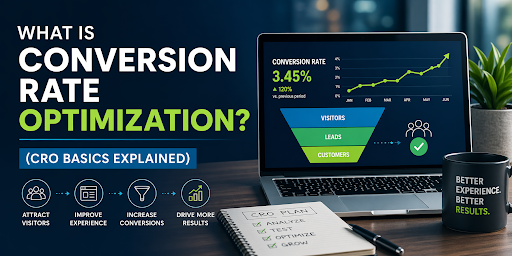
What Is Conversion Rate Optimization? (CRO Basics Explained)
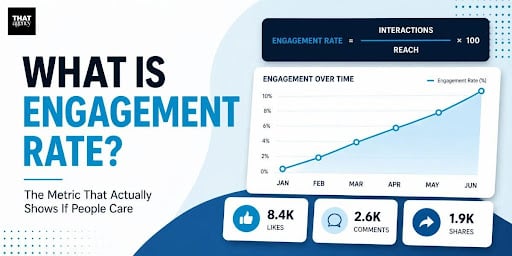
What Is Engagement Rate? (Marketing Metric Explained)

How to Appear in ChatGPT Answers: Understanding AI Citation Signals
AI-Generated SEO Content at Scale: Why Output Without Strategy Damages Authority

700 S. Rosemary Ave.
Suite 204-707
West Palm Beach, FL 33401
P: 561.832.6262
F: 561.832.7707


