

If you want to protect and grow your revenue in 2026, understanding how people buy, and how fast that behavior is evolving, is non-negotiable. Consumer expectations are shifting at a pace most brands aren’t keeping up with, and the brands that adapt slowly are the ones watching their acquisition costs climb and their conversion rates stagnate.
This isn’t about keeping up with “trends.” It’s about aligning your marketing and customer experience with the way people actually shop, evaluate choices, and decide to buy.
Below, we break down the consumer behavior trends shaping 2026, and what they mean for your actual marketing performance, not just your messaging.
Customers aren’t just looking for personalized marketing, they expect it. But they expect it delivered responsibly, transparently, and in a way that directly improves their buying experience.
Why this matters strategically: When personalization is done well, it doesn't just “feel good,” it increases sales by up to 30% and reduces friction throughout the buying journey. When it's done poorly, it erodes trust, fast.
What modern buyers expect from brands in 2026:
How strategic marketers are adapting:
Personalization isn’t a campaign choice, it’s a revenue lever. And the brands getting it right are winning on conversion and lifetime value. Strategic teams are pairing personalization with insights from behavioral email flows to make every touchpoint feel intentional.
Price matters, but values increasingly influence final purchase decisions. Consumers want alignment with brands that operate ethically, sustainably, and transparently.
Why this matters for ROI: Emotionally aligned buyers are easier to convert, more loyal, and less price-sensitive. Brands that highlight values see 20% higher loyalty.
What modern buyers expect:
How leading brands are responding:
Values aren’t “soft branding”, they influence LTV, retention, and differentiation in highly competitive markets. This shift closely supports what modern brands are already seeing across consumer behavior insights in competitive markets.
Modern buyers don’t want sales pressure, they want autonomy. The research phase is longer and more independent than ever. Customers rely heavily on guides and industry resources before ever interacting with sales.
Why it matters for growth: If you’re not present during the self-education phase, you’re not on the shortlist when buyers are ready to act.
What buyers do before contacting you:
Strategic moves brands are making:
Content isn’t just awareness. It’s demand creation, demand capture, and pipeline enablement.
Consumers no longer search the way they did even 12 months ago. Natural language queries, AI-powered answers, and visual search are reshaping discovery. To stay competitive, teams are expanding content using frameworks like those outlined in LLM optimization.
Key shifts:
Why it matters for marketers: SEO is no longer keyword-based, it’s intent-based and AI-visibility-based. If your content isn’t structured to answer conversational prompts, you’re invisible in AI Overviews and conversational search.
Strategic SEO adjustments:
Search is fragmenting. To stay visible, your content must be discoverable wherever (and however) users ask questions.
Consumer behavior trends show that modern buyers want to move at their own pace, on their own terms, without waiting for sales reps or complicated processes. This aligns with long standing research showing that user expectations center on speed and convenience across the digital journey.
Why this matters: Control reduces friction. Reduced friction lifts conversion. It’s that simple.
What buyers expect in 2026:
The numbers don’t lie:
What strategic marketers are executing:
The more control customers have, the faster they convert.
Video is no longer a trend, it’s a performance channel that influences every stage of the buyer journey. This is even more powerful when paired with tactics found in video marketing tips.
Why video is non-negotiable:
What buyers expect from video now:
Strategic video plays that drive results:
In 2026, if you’re not using video to reduce buyer hesitation, you’re increasing your acquisition cost unnecessarily.
Consumers no longer reward fast experiences, they expect them. Anything less costs you sales.
What shoppers demand:
Why this matters for revenue: Slow or complex processes are conversion killers. Every extra second and every unnecessary step represents measurable revenue loss.
Where marketers are focusing:
Convenience is the new loyalty driver. When you remove friction, you remove reasons not to buy. Teams that invest in performance are seeing gains backed by data similar to findings in technical SEO improvements.
Trust doesn’t come from brands, it comes from people. Modern consumers lean heavily on community validation.
What influences purchase decisions most:
The stats support the shift:
Strategic community-driven tactics:
Trust is now decentralized, and brands that embrace community as a conversion asset win more often and more efficiently. Brands that invest in this area often follow frameworks outlined in social media marketing strategies.
Understanding consumer behavior isn’t just about tracking trends, it’s about recognizing why people make the decisions they do and how those decisions impact your marketing performance. In 2026, the brands seeing the strongest growth are the ones using behavioral insights to guide everything from messaging to user experience to product positioning.
Below are the core consumer behavior insights that matter for marketers who are prioritizing ROI, efficiency, and competitive advantage:
Buyers no longer tolerate unclear pricing, complicated checkouts, or long paths to answers. They want autonomy and instant clarity.
Impact: Lower friction = higher conversion rates + lower abandonment.
People choose brands that reflect their values. Sustainability, ethics, and transparency influence purchasing even when prices rise.
Impact: Higher retention, stronger LTV, and reduced price sensitivity.
Consumers rely more on reviews, user-generated content, and influencers they follow. Brand messaging alone no longer closes the sale.
Impact: Increasing reliance on social proof to accelerate buyer confidence.
Consumers expect your brand to use their data responsibly to improve their experience, but not cross privacy boundaries.
Impact: Smart personalization lifts conversions; poor personalization damages trust.
The majority of the buying journey occurs without brand interaction. By the time consumers reach out, they already know exactly what they want.
Impact: Content strategy now plays a critical role in influencing early decisions.
Fast shipping, easy returns, and flexible payment options frequently beat out lower-cost alternatives.
Impact: Convenience → confidence → conversion.
The Strategic Takeaway
Consumer behavior in 2026 is defined by control, trust, personalization, and transparency. Brands that align their marketing and digital experience with these behaviors see measurable improvements in:
These aren’t soft insights, they’re direct revenue drivers. Understanding and acting on these behavioral patterns is what separates brands that grow from brands that stall.
Monitoring consumer behavior isn’t a marketing exercise, it’s a growth strategy. When you align your marketing, content, and customer experience with how today’s buyers actually think and shop, you:
THAT Agency builds strategies aligned with these real-world consumer behaviors, helping brands grow revenue, not just engagement. If you’re ready to turn these consumer behavior trends into action, our digital marketing solutions are designed to meet buyers where they are, and move them confidently toward conversion.
Tags: consumer trends
What Is Organic Traffic? (Complete Beginner Guide)
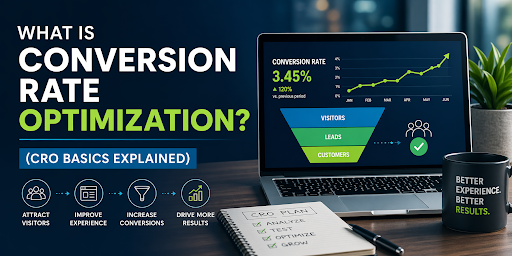
What Is Conversion Rate Optimization? (CRO Basics Explained)
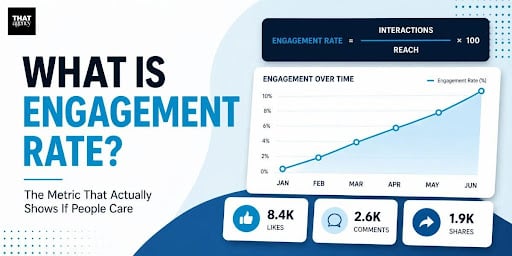
What Is Engagement Rate? (Marketing Metric Explained)

How to Appear in ChatGPT Answers: Understanding AI Citation Signals
AI-Generated SEO Content at Scale: Why Output Without Strategy Damages Authority

700 S. Rosemary Ave.
Suite 204-707
West Palm Beach, FL 33401
P: 561.832.6262
F: 561.832.7707


